
Tooth decay, also known as dental caries, is one of the most common oral health problems seen in children and adults.
It begins silently and, if ignored, can lead to pain, infection, and even tooth loss.
The good news is that tooth decay is preventable and treatable, especially when detected early.
🔍 What Is Tooth Decay?
Tooth decay occurs when bacteria present in dental plaque break down sugars from food and drinks, producing acids. These acids gradually damage the tooth enamel and underlying dentin, leading to cavities (holes in the teeth).
🦠 Causes of Tooth Decay
Poor oral hygiene habits
Frequent intake of sugary or sticky foods
Acidic beverages like soft drinks
Not brushing twice daily with fluoride toothpaste
Skipping regular dental check-ups
Dry mouth (reduced saliva flow)
Bottle feeding or milk at night in children
🚨 Early Signs & Symptoms of Tooth Decay
Sensitivity to hot, cold, or sweet foods
White, brown, or black spots on teeth
Persistent bad breath
Mild to severe toothache
Pain while chewing
Visible holes or pits in teeth
⚠️ Early-stage cavities may not cause pain, which is why routine dental visits are essential.
🛡️ How to Prevent Tooth Decay
Brush twice daily using fluoride toothpaste
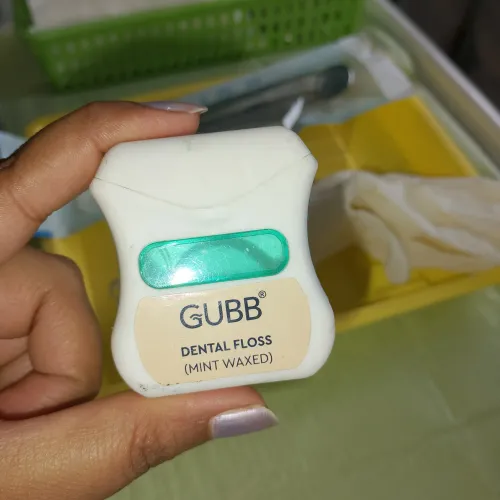
Floss at least once a day
Limit sugary snacks and drinks
Rinse your mouth after meals
Drink plenty of water
Visit your dentist every 6 months
Dental sealants for children and high-risk patients
🦷 Treatment Options for Tooth Decay
Treatment depends on how advanced the decay is:
Fluoride application – for very early decay
Dental fillings – to restore small cavities
Root canal treatment – when decay reaches the pulp
Dental crowns – for weakened teeth
Tooth extraction – only when the tooth cannot be saved
Early treatment helps preserve your natural tooth and reduces overall treatment cost.
❓ Frequently Asked Questions (FAQs)
1. Can tooth decay heal on its own?
Early enamel damage may be reversed with fluoride and good oral hygiene. Once a cavity forms, professional dental treatment is required.
2. Does tooth decay always cause pain?
No. Pain usually appears only in advanced stages. Many cavities are painless initially.
3. How fast does tooth decay progress?
It varies depending on oral hygiene, diet, and saliva flow. Some cavities progress slowly, while others worsen within months.
4. Is tooth decay common in children?
Yes. Children are highly prone due to sugary diets, improper brushing, and night-time feeding habits.
5. Can fillings stop tooth decay permanently?
Fillings stop existing decay, but new cavities can form if oral hygiene is poor.
6. How often should I visit the dentist to prevent cavities?
A dental check-up every 6 months is recommended for early detection and prevention.
7. Is tooth decay treatment painful?
Modern dentistry uses local anesthesia, making treatments comfortable and pain-free.
8. What foods increase the risk of cavities?
Sugary, sticky foods like chocolates, candies, biscuits, and soft drinks increase cavity risk.
👩⚕️ When Should You See a Dentist?
If you experience sensitivity, tooth pain, or notice discoloration or holes in your teeth, consult a dentist immediately.
Early care prevents complications.
📍 Book Your Dental Check-up
For expert cavity prevention and treatment, visit Align & Smile Dental Care, Sector 18, Noida.
It begins silently and, if ignored, can lead to pain, infection, and even tooth loss.
The good news is that tooth decay is preventable and treatable, especially when detected early.
🔍 What Is Tooth Decay?
Tooth decay occurs when bacteria present in dental plaque break down sugars from food and drinks, producing acids. These acids gradually damage the tooth enamel and underlying dentin, leading to cavities (holes in the teeth).
🦠 Causes of Tooth Decay
Poor oral hygiene habits
Frequent intake of sugary or sticky foods
Acidic beverages like soft drinks
Not brushing twice daily with fluoride toothpaste
Skipping regular dental check-ups
Dry mouth (reduced saliva flow)
Bottle feeding or milk at night in children
🚨 Early Signs & Symptoms of Tooth Decay
Sensitivity to hot, cold, or sweet foods
White, brown, or black spots on teeth
Persistent bad breath
Mild to severe toothache
Pain while chewing
Visible holes or pits in teeth
⚠️ Early-stage cavities may not cause pain, which is why routine dental visits are essential.
🛡️ How to Prevent Tooth Decay
Brush twice daily using fluoride toothpaste
Floss at least once a day
Limit sugary snacks and drinks
Rinse your mouth after meals
Drink plenty of water
Visit your dentist every 6 months
Dental sealants for children and high-risk patients
🦷 Treatment Options for Tooth Decay
Treatment depends on how advanced the decay is:
Fluoride application – for very early decay
Dental fillings – to restore small cavities
Root canal treatment – when decay reaches the pulp
Dental crowns – for weakened teeth
Tooth extraction – only when the tooth cannot be saved
Early treatment helps preserve your natural tooth and reduces overall treatment cost.
❓ Frequently Asked Questions (FAQs)
1. Can tooth decay heal on its own?
Early enamel damage may be reversed with fluoride and good oral hygiene. Once a cavity forms, professional dental treatment is required.
2. Does tooth decay always cause pain?
No. Pain usually appears only in advanced stages. Many cavities are painless initially.
3. How fast does tooth decay progress?
It varies depending on oral hygiene, diet, and saliva flow. Some cavities progress slowly, while others worsen within months.
4. Is tooth decay common in children?
Yes. Children are highly prone due to sugary diets, improper brushing, and night-time feeding habits.
5. Can fillings stop tooth decay permanently?
Fillings stop existing decay, but new cavities can form if oral hygiene is poor.
6. How often should I visit the dentist to prevent cavities?
A dental check-up every 6 months is recommended for early detection and prevention.
7. Is tooth decay treatment painful?
Modern dentistry uses local anesthesia, making treatments comfortable and pain-free.
8. What foods increase the risk of cavities?
Sugary, sticky foods like chocolates, candies, biscuits, and soft drinks increase cavity risk.
👩⚕️ When Should You See a Dentist?
If you experience sensitivity, tooth pain, or notice discoloration or holes in your teeth, consult a dentist immediately.
Early care prevents complications.
📍 Book Your Dental Check-up
For expert cavity prevention and treatment, visit Align & Smile Dental Care, Sector 18, Noida.
Keywords