Bleeding gums while brushing can be alarming, but it’s also one of the most common signs that your gums need attention.
Occasional bleeding may happen from brushing too hard, but frequent bleeding can point to gum disease, poor oral hygiene, vitamin deficiencies, or other dental concerns.
In this blog, we’ll explain why gums bleed when brushing, what causes it, how to stop it, and when you should visit a dentist.
Is It Normal for Gums to Bleed While Brushing?
Healthy gums should not bleed regularly. If you notice blood in the sink while brushing or flossing, it usually means your gums are inflamed or irritated.
The good news is that early gum problems are often reversible with proper dental care and oral hygiene.
Common Causes of Bleeding Gums
1. Gingivitis (Early Gum Disease)
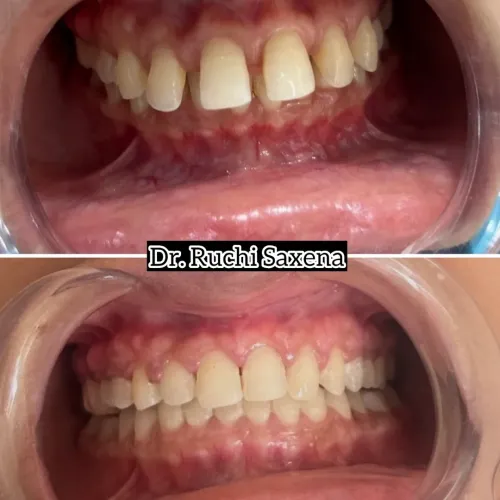
The most common reason for bleeding gums is gingivitis. Plaque buildup around the gum line causes inflammation, making gums swollen, tender, and prone to bleeding.
Signs of gingivitis include:
Red or swollen gums
Bad breath
Bleeding while brushing or flossing
Gum tenderness
If untreated, gingivitis can progress into more serious periodontal disease.
2. Brushing Too Hard
Using excessive pressure or a hard-bristled toothbrush can damage delicate gum tissue.
Tips:
Use a soft-bristled toothbrush
Brush gently in circular motions
Avoid aggressive scrubbing
3. Poor Flossing Habits
If you recently started flossing after a long gap, your gums may bleed initially. This usually improves within a few days as gum health improves.
Consistent flossing removes plaque and reduces inflammation over time.
4. Plaque and Tartar Buildup
When plaque is not removed properly, it hardens into tartar, which irritates gums and increases bleeding.
Professional dental cleaning helps remove tartar safely.
5. Vitamin Deficiencies
Low levels of Vitamin C and Vitamin K can contribute to bleeding gums.
Foods that support gum health:
Citrus fruits
Leafy greens
Broccoli
Berries
Nuts and seeds
6. Hormonal Changes
Pregnancy, puberty, and hormonal fluctuations can make gums more sensitive and likely to bleed.
Pregnancy gingivitis is especially common and should be monitored by a dentist.
7. Smoking and Tobacco Use
Smoking weakens the immune system and damages gum tissue, increasing the risk of gum disease and bleeding.
8. Medical Conditions or Medications
Certain health conditions and blood-thinning medications may increase gum bleeding.
Examples include:
Diabetes
Blood clotting disorders
Leukemia
Anticoagulant medications
If bleeding is severe or persistent, consult both your dentist and doctor.
How to Stop Gums from Bleeding
Improve Your Oral Hygiene Routine
Brush twice daily
Use fluoride toothpaste
Floss every day
Replace your toothbrush every 3 months
Use an Antibacterial Mouthwash
An antimicrobial rinse can help reduce plaque and gum inflammation.
Stay Hydrated
Dry mouth can increase bacterial growth and worsen gum irritation.
Schedule Regular Dental Cleanings
Professional cleanings remove plaque and tartar that brushing alone cannot eliminate.
When Should You See a Dentist?
You should book a dental appointment if:
Bleeding continues for more than a week
Your gums are swollen or painful
You have persistent bad breath
Teeth feel loose
Gums are receding
Early treatment prevents more serious dental problems later.
Tips for Healthy Gums
Eat a balanced diet rich in vitamins
Avoid tobacco products
Reduce sugary foods and drinks
Drink plenty of water
Visit your dentist every 6 months
Bleeding gums are often an early warning sign that your oral health needs attention. In many cases, improving your brushing and flossing habits can make a big difference.
However, persistent bleeding should never be ignored.
Regular dental checkups and good oral hygiene are the best ways to keep your gums healthy and your smile strong.
FAQs
Why do my gums bleed only when I floss?
This usually happens because of inflammation caused by plaque buildup. Regular flossing often reduces bleeding within a few days.
Can stress cause bleeding gums?
Stress can weaken the immune system and worsen gum inflammation, indirectly contributing to bleeding gums.
Are bleeding gums serious?
Occasional bleeding may not be serious, but persistent bleeding can indicate gum disease and should be checked by a dentist.
How long does it take for bleeding gums to heal?
Mild gum inflammation may improve within 1–2 weeks with proper oral hygiene and professional cleaning if needed.
Book your appointment today at Align & Smile Dental Care, Sector 18, Noida, and take the first step toward healthier gums and a brighter smile.
Occasional bleeding may happen from brushing too hard, but frequent bleeding can point to gum disease, poor oral hygiene, vitamin deficiencies, or other dental concerns.
In this blog, we’ll explain why gums bleed when brushing, what causes it, how to stop it, and when you should visit a dentist.
Is It Normal for Gums to Bleed While Brushing?
Healthy gums should not bleed regularly. If you notice blood in the sink while brushing or flossing, it usually means your gums are inflamed or irritated.
The good news is that early gum problems are often reversible with proper dental care and oral hygiene.
Common Causes of Bleeding Gums
1. Gingivitis (Early Gum Disease)
The most common reason for bleeding gums is gingivitis. Plaque buildup around the gum line causes inflammation, making gums swollen, tender, and prone to bleeding.
Signs of gingivitis include:
Red or swollen gums
Bad breath
Bleeding while brushing or flossing
Gum tenderness
If untreated, gingivitis can progress into more serious periodontal disease.
2. Brushing Too Hard
Using excessive pressure or a hard-bristled toothbrush can damage delicate gum tissue.
Tips:
Use a soft-bristled toothbrush
Brush gently in circular motions
Avoid aggressive scrubbing
3. Poor Flossing Habits
If you recently started flossing after a long gap, your gums may bleed initially. This usually improves within a few days as gum health improves.
Consistent flossing removes plaque and reduces inflammation over time.
4. Plaque and Tartar Buildup
When plaque is not removed properly, it hardens into tartar, which irritates gums and increases bleeding.
Professional dental cleaning helps remove tartar safely.
5. Vitamin Deficiencies
Low levels of Vitamin C and Vitamin K can contribute to bleeding gums.
Foods that support gum health:
Citrus fruits
Leafy greens
Broccoli
Berries
Nuts and seeds
6. Hormonal Changes
Pregnancy, puberty, and hormonal fluctuations can make gums more sensitive and likely to bleed.
Pregnancy gingivitis is especially common and should be monitored by a dentist.
7. Smoking and Tobacco Use
Smoking weakens the immune system and damages gum tissue, increasing the risk of gum disease and bleeding.
8. Medical Conditions or Medications
Certain health conditions and blood-thinning medications may increase gum bleeding.
Examples include:
Diabetes
Blood clotting disorders
Leukemia
Anticoagulant medications
If bleeding is severe or persistent, consult both your dentist and doctor.
How to Stop Gums from Bleeding
Improve Your Oral Hygiene Routine
Brush twice daily
Use fluoride toothpaste
Floss every day
Replace your toothbrush every 3 months
Use an Antibacterial Mouthwash
An antimicrobial rinse can help reduce plaque and gum inflammation.
Stay Hydrated
Dry mouth can increase bacterial growth and worsen gum irritation.
Schedule Regular Dental Cleanings
Professional cleanings remove plaque and tartar that brushing alone cannot eliminate.
When Should You See a Dentist?
You should book a dental appointment if:
Bleeding continues for more than a week
Your gums are swollen or painful
You have persistent bad breath
Teeth feel loose
Gums are receding
Early treatment prevents more serious dental problems later.
Tips for Healthy Gums
Eat a balanced diet rich in vitamins
Avoid tobacco products
Reduce sugary foods and drinks
Drink plenty of water
Visit your dentist every 6 months
Bleeding gums are often an early warning sign that your oral health needs attention. In many cases, improving your brushing and flossing habits can make a big difference.
However, persistent bleeding should never be ignored.
Regular dental checkups and good oral hygiene are the best ways to keep your gums healthy and your smile strong.
FAQs
Why do my gums bleed only when I floss?
This usually happens because of inflammation caused by plaque buildup. Regular flossing often reduces bleeding within a few days.
Can stress cause bleeding gums?
Stress can weaken the immune system and worsen gum inflammation, indirectly contributing to bleeding gums.
Are bleeding gums serious?
Occasional bleeding may not be serious, but persistent bleeding can indicate gum disease and should be checked by a dentist.
How long does it take for bleeding gums to heal?
Mild gum inflammation may improve within 1–2 weeks with proper oral hygiene and professional cleaning if needed.
Book your appointment today at Align & Smile Dental Care, Sector 18, Noida, and take the first step toward healthier gums and a brighter smile.
Keywords