Have you ever visited the dentist for a routine check-up, felt perfectly fine, and then been told that you may need a dental X-ray?
A common reaction is: “If nothing hurts, why do I need an X-ray?”
It is a very reasonable question. The truth is that many dental problems can develop quietly. You may not notice any pain, sensitivity, swelling, or other warning signs until a problem has already progressed.
At Align & Smile Dental Care, Sector 18, Noida, dental X-rays are used as an important diagnostic tool to help dentists see what cannot be identified during a routine examination.
Your Teeth Can Hide Problems
A visual dental examination allows your dentist to inspect the parts of your mouth that are visible. However, several important areas are hidden from direct view.
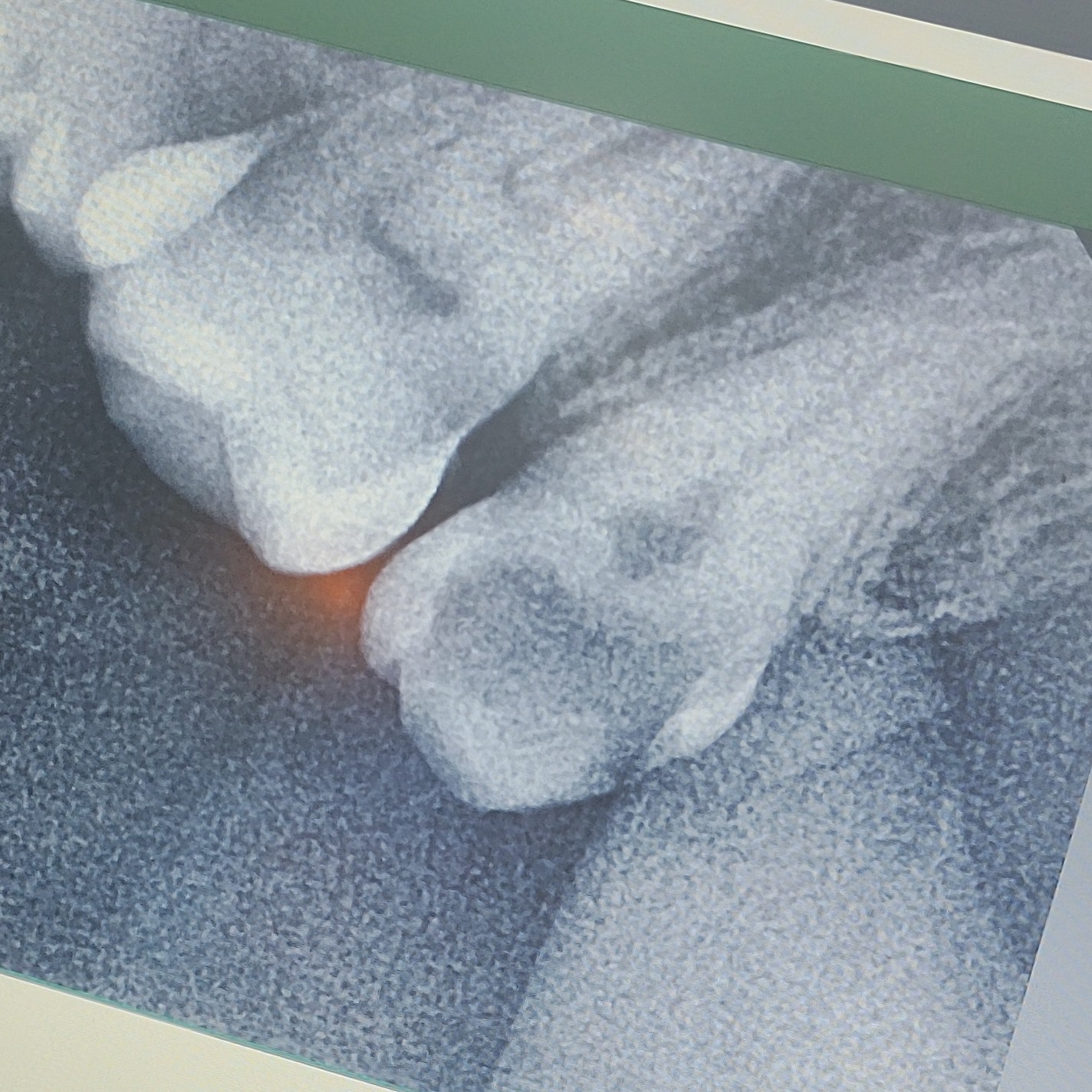
For example, an early cavity may develop between two teeth where it is difficult to see. Problems around the roots, changes in the jawbone, impacted wisdom teeth, or an infection beneath a tooth may also go unnoticed during a normal examination.
An X-ray provides your dentist with additional information about these hidden areas.
That means “nothing hurts” does not always mean “nothing is wrong.”
Why Are Dental X-Rays Recommended?
Your dentist may recommend an X-ray for several different reasons.
1. To Find Cavities That Are Difficult to See
Some cavities begin between teeth or underneath existing dental work. These areas can be challenging to examine with a mirror alone.
An X-ray can help identify changes in the tooth before the cavity becomes large enough to cause noticeable symptoms.
2. To Check the Health of Tooth Roots
A tooth may look healthy above the gum while there is an issue around its root.
Dental X-rays can help your dentist assess the area around the roots and identify signs that may require further evaluation or treatment.
3. To Look for Bone Changes
Your teeth are supported by the jawbone and surrounding tissues. Certain dental conditions can affect these supporting structures without producing obvious symptoms in their early stages.
X-rays can provide useful information about the bone around your teeth and help your dentist evaluate your overall oral health.
4. To Assess Wisdom Teeth
Wisdom teeth do not always grow into the mouth normally. They can remain partially or completely trapped beneath the gums or develop at an unusual angle.
An X-ray allows the dentist to see their position and determine whether they could potentially affect nearby teeth or surrounding structures.
5. Before Certain Dental Treatments
X-rays may also be recommended before procedures such as root canal treatment, tooth extraction, dental implants, orthodontic treatment, or other procedures where understanding the underlying tooth and bone structure is important.
The information from an X-ray can help the dentist plan treatment more accurately.
Why Not Wait Until Something Hurts?
Pain is often a sign that a dental problem has progressed enough to affect the tooth or surrounding tissues.
Waiting for pain before visiting a dentist can sometimes mean that a relatively small problem has had more time to develop.
For instance, an early cavity may require a comparatively simple treatment, while a much deeper cavity could eventually involve the nerve of the tooth and require more extensive care.
This is one reason regular dental check-ups are important. Preventive dentistry focuses on identifying potential problems early rather than simply treating them after symptoms appear.
Does Everyone Need Dental X-Rays at Every Visit?
No.
Dental X-rays are not automatically necessary at every dental appointment. Your dentist considers factors such as your age, dental history, symptoms, previous X-rays, oral health, existing treatments, and the reason for your visit before recommending imaging.
The goal is not to take an X-ray unnecessarily. Instead, it is to use it when the information can help with diagnosis, prevention, or treatment planning.
Are Dental X-Rays Safe?
Modern dental X-ray equipment uses a relatively low amount of radiation. Dental professionals also take precautions to keep radiation exposure as low as reasonably achievable.
Your dentist will recommend an X-ray when its potential diagnostic benefit makes it appropriate for your situation.
If you have concerns about X-rays, pregnancy, previous imaging, or how often you need them, it is always a good idea to discuss these concerns with your dentist before the procedure.
A dental examination shows your dentist what can be seen directly. An X-ray can provide additional information about areas that are hidden from view.
Even if your teeth feel completely normal, regular dental check-ups can help detect changes before they become painful or complicated.
If you are looking for a dental clinic in Sector 18, Noida for routine dental check-ups and comprehensive oral care, Align & Smile Dental Care can help you understand your dental health and the treatment options appropriate for you.
Keywords