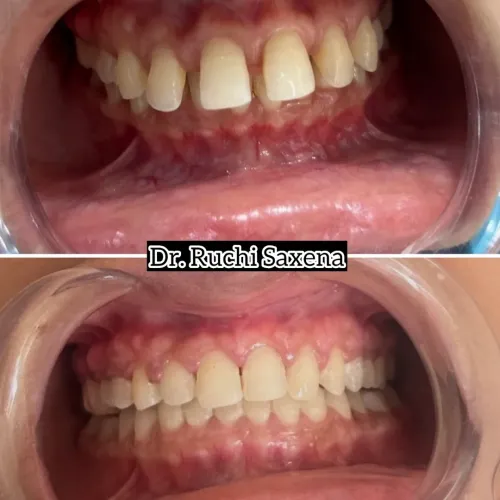

A common question patients ask before starting orthodontic treatment is, “How long will I need to wear braces?” While many cases are completed within the estimated timeframe, some braces treatments may take longer than expected. Understanding the reasons behind treatment delays can help patients stay informed, motivated, and committed to achieving the best possible smile.
At Align & Smile Dental Care, we believe that successful orthodontic treatment is a partnership between the orthodontist and the patient. Let’s explore the factors that can influence the duration of braces treatment and what you can do to keep your treatment on track.
How Long Does Braces Treatment Usually Take?
The average braces treatment duration ranges from 12 to 24 months, depending on the complexity of the case. Some minor alignment issues can be corrected in less time, while more complex bite problems may require longer treatment.
Every patient’s teeth, jaw structure, and biological response to tooth movement are unique, which is why treatment timelines can vary.
Factors That Can Make Braces Treatment Take Longer
1. Complexity of the Orthodontic Problem
One of the biggest factors affecting orthodontic treatment time is the severity of the dental issue being corrected.
Cases involving:
* Severe crowding
* Large gaps between teeth
* Impacted teeth
* Crossbite, overbite, or underbite
* Jaw discrepancies
typically require more time than simple alignment corrections.
2. Missed Appointments
Regular orthodontic appointments are essential for monitoring progress and making necessary adjustments.
When appointments are frequently postponed or missed, treatment progression may slow down significantly. Even a few missed visits over the course of treatment can add several months to the overall timeline.
3. Poor Compliance with Instructions
Patient cooperation plays a crucial role in treatment success.
Braces treatment may take longer if patients:
* Do not wear elastics as prescribed
* Fail to use retainers or appliances properly
* Frequently break orthodontic appliances
* Ignore oral hygiene recommendations
Following your orthodontist’s instructions carefully can help keep treatment on schedule.
4. Broken Brackets and Damaged Wires
Brackets and wires are designed to apply controlled forces that move teeth into their ideal positions.
Eating hard, sticky, or crunchy foods can damage braces and interrupt tooth movement. When brackets break or wires become distorted, treatment progress may temporarily stop until repairs are made.
Common foods to avoid include:
* Hard candies
* Popcorn
* Ice cubes
* Sticky toffees
* Chewing gum
5. Individual Biological Response
Every person’s body responds differently to orthodontic forces.
Some patients experience faster tooth movement, while others naturally move more slowly despite excellent compliance. Factors such as age, bone density, metabolism, and genetics can influence the rate of tooth movement.
This is a normal biological variation and cannot always be predicted accurately at the beginning of treatment.
6. Oral Health Issues During Treatment
Healthy gums and teeth are essential for efficient orthodontic treatment.
Problems such as:
* Gum inflammation
* Gingivitis
* Tooth decay
* Poor oral hygiene
may require additional dental care before orthodontic treatment can safely continue.
Maintaining excellent oral hygiene throughout treatment helps prevent unnecessary delays.
7. Growth and Development Factors in Children
For younger patients, treatment timing is often linked to growth patterns.
Unexpected variations in jaw growth may require adjustments to the original treatment plan. While growth can often be beneficial, it occasionally extends the treatment duration.
How to Avoid Delays in Braces Treatment
Patients can help achieve timely results by:
* Attending all scheduled appointments
* Maintaining excellent oral hygiene
* Wearing elastics exactly as instructed
* Avoiding foods that can damage braces
* Reporting broken brackets or wires immediately
* Following all orthodontic recommendations
Consistent cooperation is one of the most important factors in achieving an efficient and successful outcome.
Is Longer Treatment Always a Bad Sign?
Not necessarily.
In some cases, extending treatment slightly allows for better bite correction, improved tooth positioning, and more stable long-term results. The ultimate goal is not just straight teeth but a healthy, functional, and lasting smile.
At Align & Smile Dental Care, we continuously monitor treatment progress and make adjustments when necessary to achieve the best possible outcome for every patient.
At Align & Smile Dental Care, we believe that successful orthodontic treatment is a partnership between the orthodontist and the patient. Let’s explore the factors that can influence the duration of braces treatment and what you can do to keep your treatment on track.
How Long Does Braces Treatment Usually Take?
The average braces treatment duration ranges from 12 to 24 months, depending on the complexity of the case. Some minor alignment issues can be corrected in less time, while more complex bite problems may require longer treatment.
Every patient’s teeth, jaw structure, and biological response to tooth movement are unique, which is why treatment timelines can vary.
Factors That Can Make Braces Treatment Take Longer
1. Complexity of the Orthodontic Problem
One of the biggest factors affecting orthodontic treatment time is the severity of the dental issue being corrected.
Cases involving:
* Severe crowding
* Large gaps between teeth
* Impacted teeth
* Crossbite, overbite, or underbite
* Jaw discrepancies
typically require more time than simple alignment corrections.
2. Missed Appointments
Regular orthodontic appointments are essential for monitoring progress and making necessary adjustments.
When appointments are frequently postponed or missed, treatment progression may slow down significantly. Even a few missed visits over the course of treatment can add several months to the overall timeline.
3. Poor Compliance with Instructions
Patient cooperation plays a crucial role in treatment success.
Braces treatment may take longer if patients:
* Do not wear elastics as prescribed
* Fail to use retainers or appliances properly
* Frequently break orthodontic appliances
* Ignore oral hygiene recommendations
Following your orthodontist’s instructions carefully can help keep treatment on schedule.
4. Broken Brackets and Damaged Wires
Brackets and wires are designed to apply controlled forces that move teeth into their ideal positions.
Eating hard, sticky, or crunchy foods can damage braces and interrupt tooth movement. When brackets break or wires become distorted, treatment progress may temporarily stop until repairs are made.
Common foods to avoid include:
* Hard candies
* Popcorn
* Ice cubes
* Sticky toffees
* Chewing gum
5. Individual Biological Response
Every person’s body responds differently to orthodontic forces.
Some patients experience faster tooth movement, while others naturally move more slowly despite excellent compliance. Factors such as age, bone density, metabolism, and genetics can influence the rate of tooth movement.
This is a normal biological variation and cannot always be predicted accurately at the beginning of treatment.
6. Oral Health Issues During Treatment
Healthy gums and teeth are essential for efficient orthodontic treatment.
Problems such as:
* Gum inflammation
* Gingivitis
* Tooth decay
* Poor oral hygiene
may require additional dental care before orthodontic treatment can safely continue.
Maintaining excellent oral hygiene throughout treatment helps prevent unnecessary delays.
7. Growth and Development Factors in Children
For younger patients, treatment timing is often linked to growth patterns.
Unexpected variations in jaw growth may require adjustments to the original treatment plan. While growth can often be beneficial, it occasionally extends the treatment duration.
How to Avoid Delays in Braces Treatment
Patients can help achieve timely results by:
* Attending all scheduled appointments
* Maintaining excellent oral hygiene
* Wearing elastics exactly as instructed
* Avoiding foods that can damage braces
* Reporting broken brackets or wires immediately
* Following all orthodontic recommendations
Consistent cooperation is one of the most important factors in achieving an efficient and successful outcome.
Is Longer Treatment Always a Bad Sign?
Not necessarily.
In some cases, extending treatment slightly allows for better bite correction, improved tooth positioning, and more stable long-term results. The ultimate goal is not just straight teeth but a healthy, functional, and lasting smile.
At Align & Smile Dental Care, we continuously monitor treatment progress and make adjustments when necessary to achieve the best possible outcome for every patient.
Keywords