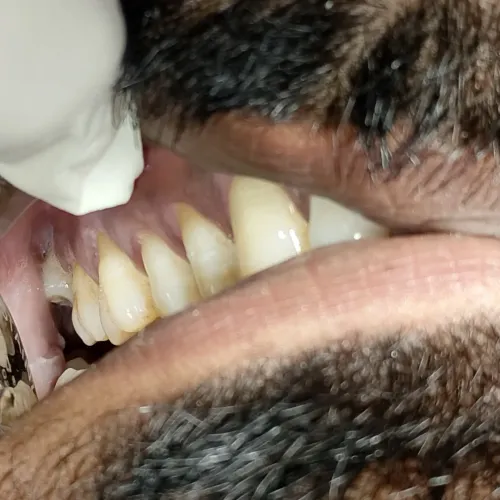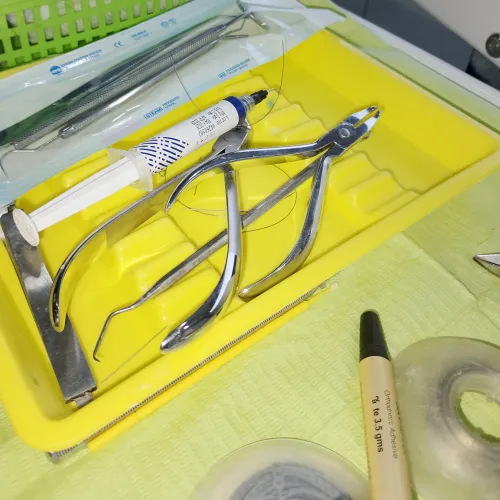
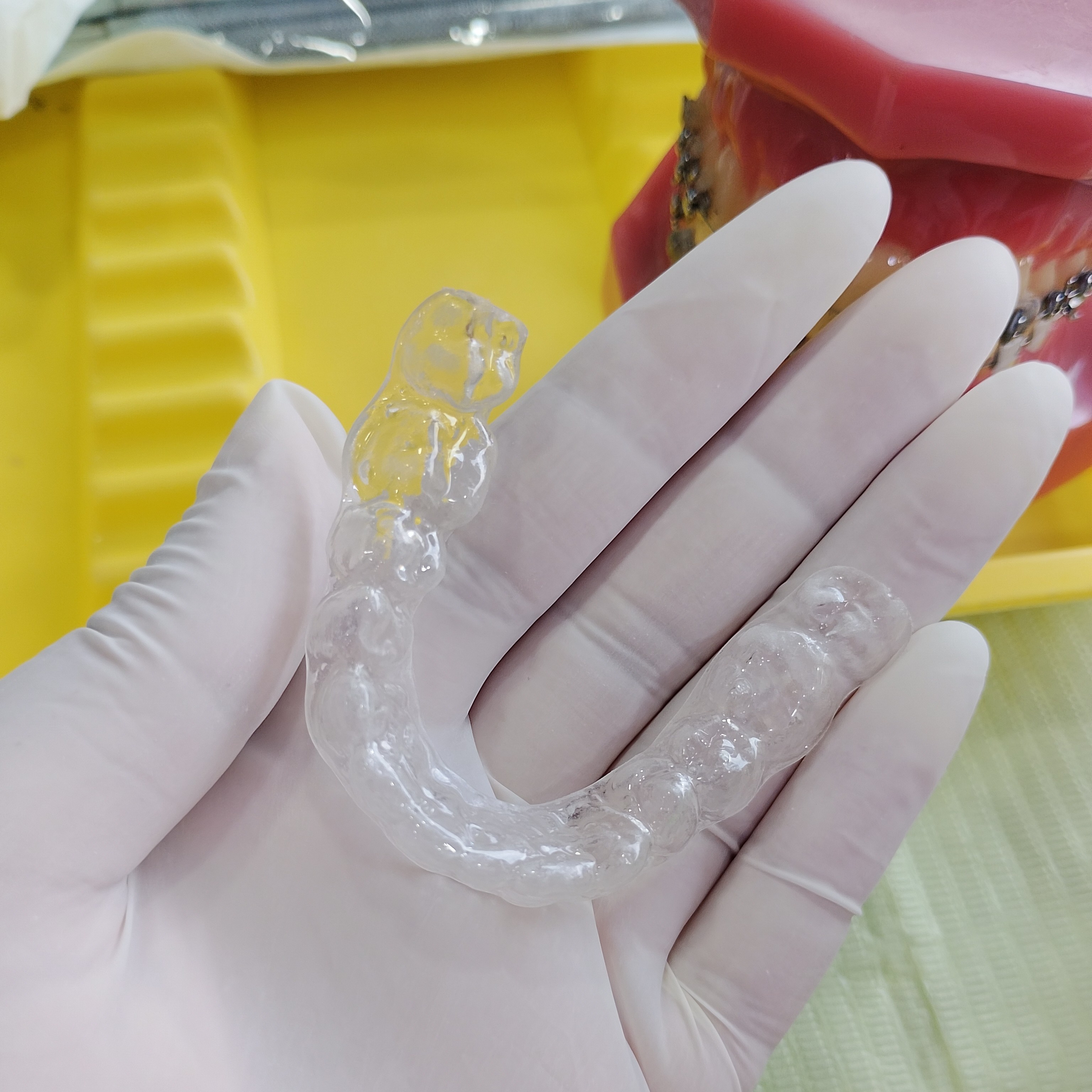
Have you recently tried wearing your orthodontic retainer, only to find that it doesn't fit properly? Does it feel tight, uncomfortable, or refuse to sit completely over your teeth?
Don't panic! You're not alone. This is a common concern among people who have completed orthodontic treatment with braces or clear aligners.
However, an ill-fitting retainer is something you should never ignore. It may be a sign that your teeth have started shifting from their corrected positions.
Why Doesn't Your Retainer Fit Anymore?
After your braces or aligner treatment is complete, your teeth need time to stabilize in their new positions. Your retainer plays an important role in maintaining your beautiful, straight smile.
Here are some common reasons why your retainer may no longer fit:
1. You Haven't Worn Your Retainer Regularly
This is one of the most common reasons. Skipping your retainer for a few days or weeks can allow your teeth to gradually move.
2. Natural Teeth Movement
Even after orthodontic treatment, teeth can shift naturally over time due to ageing, changes in bite, and other factors.
3. Your Retainer Is Damaged or Distorted
Retainers can lose their original shape due to wear and tear, accidental bending, exposure to heat, or improper storage.
4. Your Retainer Has Become Old
Like any dental appliance, retainers have a lifespan. An old or worn-out retainer may no longer provide the proper fit.
What Should You Do If Your Retainer Doesn't Fit?
If your retainer feels different, follow these important steps:
1. Don't Force It Into Place
Never try to push or bite down hard to make your retainer fit. This can cause unnecessary pressure, discomfort, or damage to your teeth and gums.
2. Stop Wearing It If It Causes Pain
If your retainer does not seat properly, causes significant discomfort, or appears damaged, don't force yourself to wear it.
3. Don't Try to Adjust It Yourself
Avoid bending, heating, cutting, or modifying your retainer at home. These attempts can permanently damage it.
4. Schedule a Dental Consultation
Visit your orthodontist as soon as possible. Your dentist will examine your teeth, evaluate the retainer, and determine whether a replacement or additional orthodontic correction is needed.
5. Don't Delay Treatment
The sooner you address tooth movement, the more treatment options may be available to restore your smile.
Can Your Teeth Become Straight Again?
Absolutely! In many cases, minor tooth movement can be corrected with appropriate orthodontic treatment.
Depending on the extent of shifting, your orthodontist may recommend:
- A new, properly fitted retainer.
- A replacement retainer designed to maintain your current tooth positions.
- Clear aligners to correct minor tooth relapse.
- Further orthodontic treatment if significant shifting has occurred.
How Can You Prevent Your Teeth From Shifting Again?
- Wear your retainer as prescribed by your orthodontist.
- Never skip retainer wear without professional advice.
- Clean your retainer regularly using recommended cleaning methods.
- Store it safely in its protective case.
- Keep your regular dental appointments.
- Replace your retainer if it becomes damaged or loses its fit.
Remember, completing braces or aligner treatment is not the end of your smile journey. Retention is an essential part of orthodontic care.
When Should You Visit an Orthodontist?
You should book an appointment if:
- Your retainer feels unusually tight.
- It doesn't sit completely over your teeth.
- You notice gaps or crowding returning.
- Your teeth look different from how they did after treatment.
- Your retainer is cracked, bent, or broken.
Whether your retainer has stopped fitting, your teeth have started shifting, or you need guidance after braces or clear aligner treatment, a professional orthodontic evaluation can help you understand the best way forward.
Book your consultation with Dr. Ruchi Saxena at Align & Smile Dental Care, Sector 18, Noida, and take the right step towards protecting your beautiful smile.
Frequently Asked Questions (FAQs)
Q1. Can I wear my retainer if it feels tight?
If it feels slightly tight but seats completely and causes no significant discomfort, contact your orthodontist for guidance. Never force a retainer that doesn't fit properly.
Q2. What happens if I stop wearing my retainer?
Your teeth may gradually shift back towards their previous positions, a process known as orthodontic relapse.
Q3. Do I need braces again if my retainer doesn't fit?
Not necessarily. Depending on the amount of tooth movement, a replacement retainer or clear aligner treatment may be sufficient.
Q4. How quickly can teeth shift without a retainer?
Tooth movement varies from person to person. Some people notice changes within days or weeks, while others experience gradual movement over a longer period.
Q5. Can I get a new retainer made?
Yes. Your orthodontist can assess your current tooth positions and recommend a new custom-made retainer if appropriate.
Keywords