A Crime Scene Inside Your Mouth: Who Is Responsible for Your Crooked Teeth?
By Dr. Ruchi Saxena | Align and Smile Dental Care, Sector 18, Noida
Have you ever looked in the mirror and wondered why your teeth aren’t as straight as they should be?
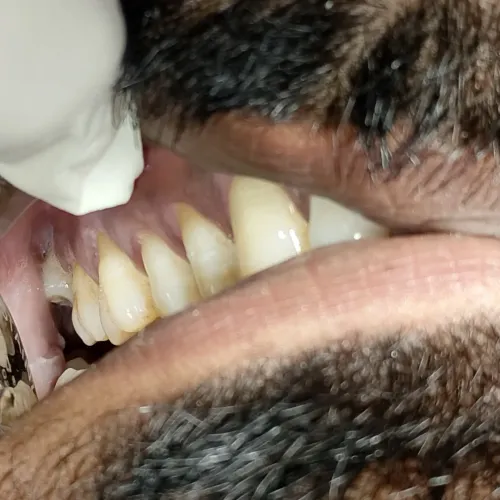
One tooth is twisted, another overlaps its neighbour, or perhaps your front teeth look crowded.
You might blame genetics or think you missed your chance because you never had braces as a teenager.
But what if crooked teeth are the result of several little events happening inside your mouth over the years?
Welcome to a crime scene inside your mouth! Let’s investigate the suspects.
Suspect No. 1: Genetics – The Family Connection
Have you heard someone say, “I have my father’s teeth”?
There may be some truth behind it!
Your genes influence the size of your teeth, jaw structure and facial development. Sometimes, larger teeth and a smaller jaw leave insufficient space, resulting in crowded or crooked teeth.
The clue: If crooked teeth run in your family, genetics could be one of the culprits.
Suspect No. 2: Childhood Habits – The Silent Trouble Makers
Some childhood habits can influence developing teeth and jaws, especially when they continue for too long.
Common examples include:
* Thumb sucking.
* Prolonged pacifier use.
* Tongue thrusting.
* Persistent mouth breathing.
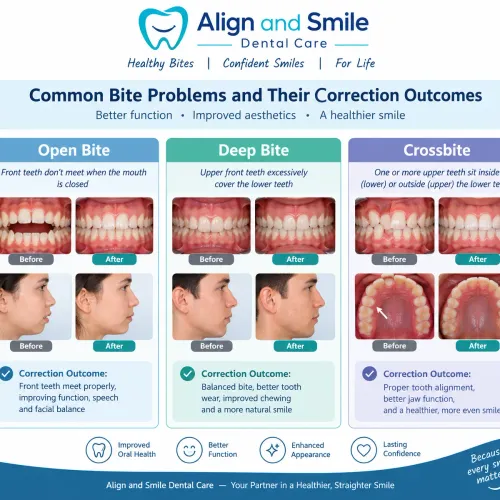
Prolonged thumb sucking, for example, may contribute to protruding front teeth or an open bite.
The clue: A seemingly harmless childhood habit can influence the development of a child’s smile.
Suspect No. 3: Early Loss of Baby Teeth
Baby teeth are temporary, but they have an important job: maintaining space for permanent teeth.
If a baby tooth is lost early because of decay or injury, neighbouring teeth may move into the empty space. This can leave insufficient room for permanent teeth, leading to crowding.
The clue: Losing baby teeth too early can disturb the natural arrangement of permanent teeth.
Suspect No. 4: Impacted Teeth – The Missing Suspect
Sometimes, a permanent tooth gets stuck beneath the gums instead of erupting normally. This is called an impacted tooth.
Upper canine teeth are particularly important because they can sometimes become impacted and affect neighbouring teeth.
The clue: Sometimes, the problem is not a tooth coming out incorrectly, but a tooth that hasn’t come out at all!
Suspect No. 5: Jaw Growth – The Foundation Problem
Think of your teeth as a beautiful structure and your jaws as its foundation.
Differences in upper and lower jaw growth can contribute to overbites, underbites, crossbites and crowding.
This is why assessing jaw development during childhood and adolescence can be valuable.
The clue: Sometimes, the problem lies in the jaw, not just the teeth.
Suspect No. 6: Ageing – Teeth Can Move Too!
Think crooked teeth are only a teenage problem? Not really!
Teeth can shift throughout adulthood due to natural changes, tooth loss, gum health and previous orthodontic treatment.
If you stop wearing your retainers as advised after braces, your teeth may gradually move towards their previous positions. This is called orthodontic relapse.
The clue: A straight smile needs maintenance, even after braces!
So, Who Is the Real Culprit?
The truth is that crooked teeth rarely have just one cause. Genetics, childhood habits, early loss of baby teeth, impacted teeth, jaw growth and natural changes over time can all contribute.
That’s why identifying the underlying cause is just as important as straightening the teeth.
How Can an Orthodontist Solve This Mystery?
At Align and Smile Dental Care, Sector 18, Noida, I believe every smile deserves an individual assessment.
As an orthodontist, I evaluate tooth alignment, bite, jaw relationship and facial profile before recommending treatment.
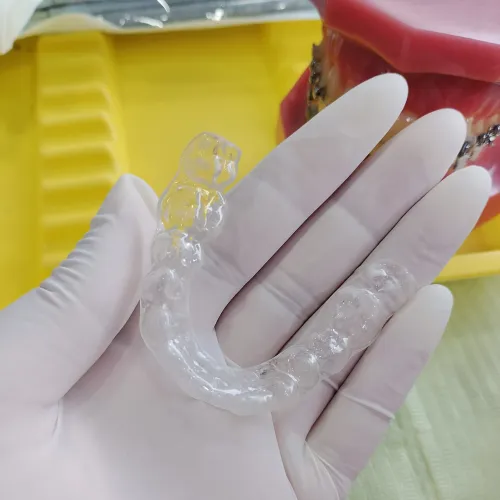
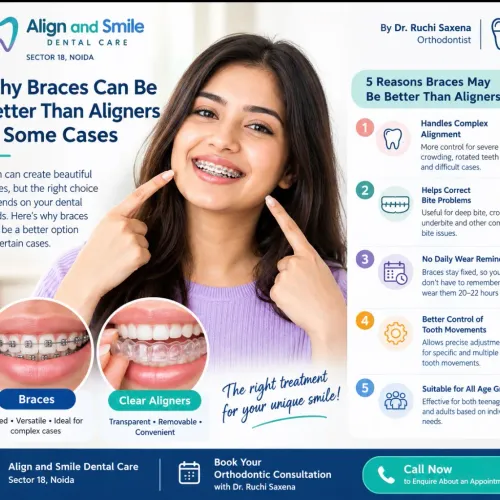
Depending on the diagnosis, treatment may involve metal braces, ceramic braces, clear aligners or other orthodontic approaches.
The right treatment depends on your individual dental condition and treatment needs.
The American Association of Orthodontists recommends an initial orthodontic check-up by age 7. Early assessment helps identify developing problems, although not every child needs treatment at that age.
A Final Word From Dr. Ruchi Saxena
I often tell my patients that a smile is much more than what we see in the mirror.
Behind every smile is a story of genetics, growth, habits and biology.
So, the next time you notice crooked teeth, don’t just ask, “How can I straighten them?”
Ask, “Why did they become crooked in the first place?”
Want to solve the mystery behind your smile?
Visit Align and Smile Dental Care, Sector 18, Noida, for an orthodontic consultation.
Let’s investigate your smile together!
Dr. Ruchi Saxena
Orthodontist
Align and Smile Dental Care, Sector 18, Noida
Keywords