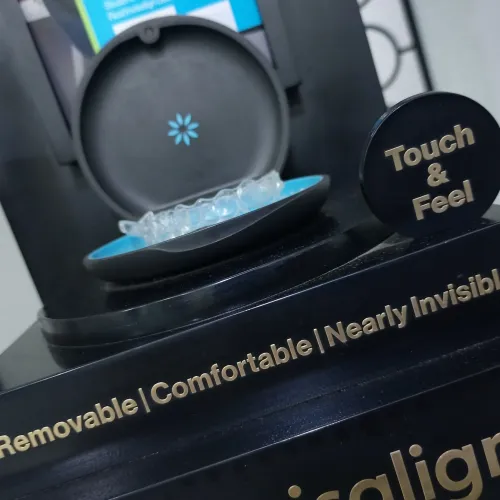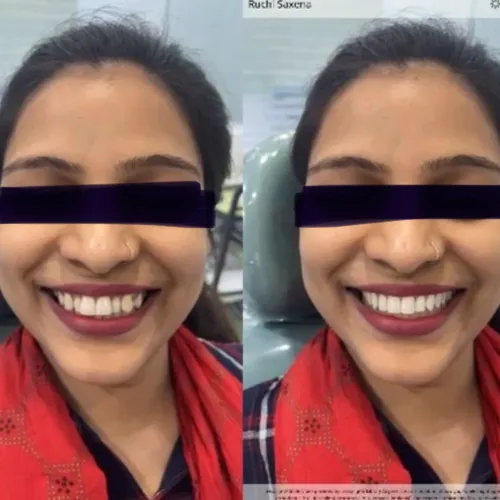
At Align & Smile Dental Care, Sector 18, Noida, Dr. Ruchi Saxena and Dr. Nandini Shukla guide patients on choosing suitable oral-hygiene practices according to their individual dental needs.
What Is a Water Flosser?
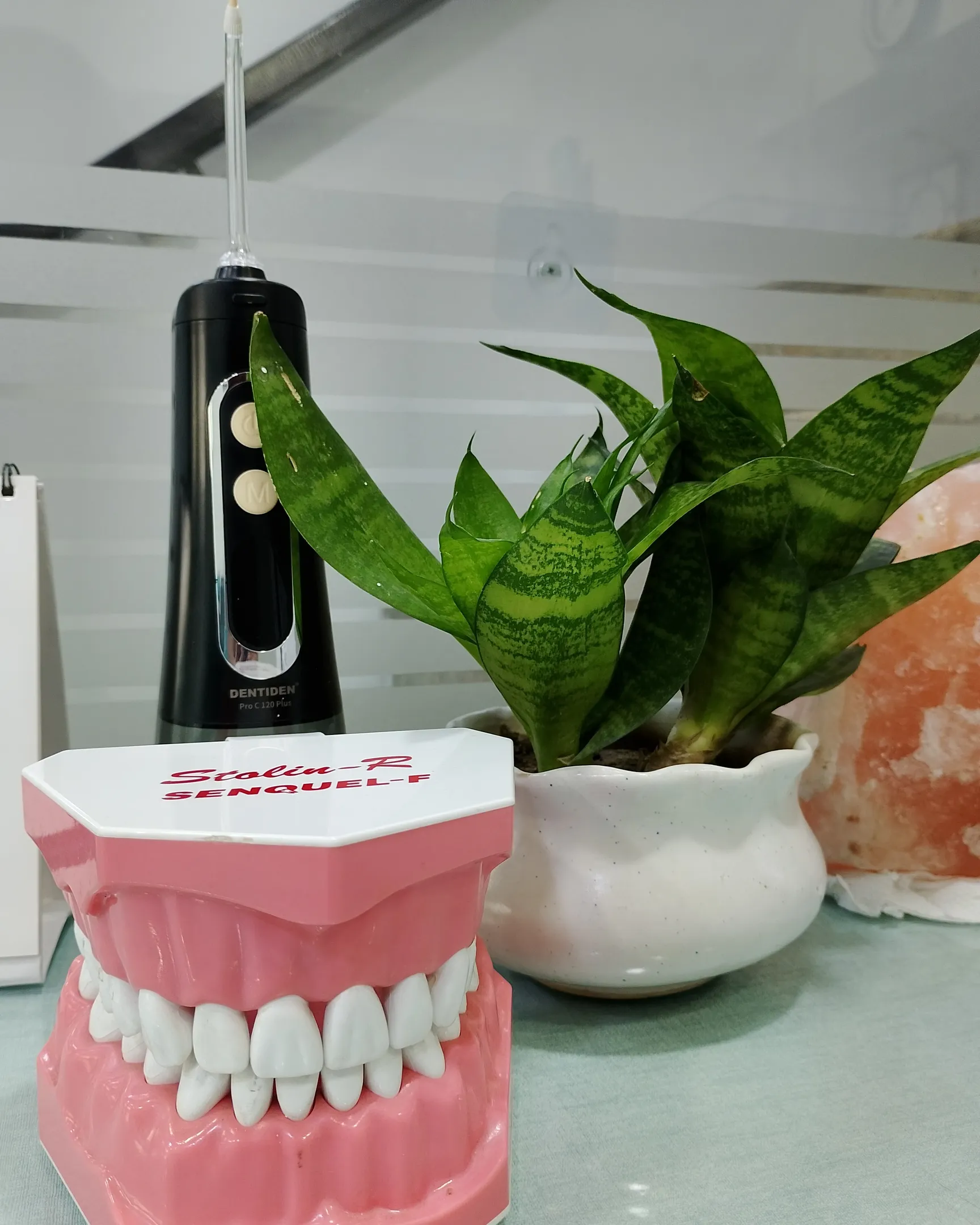
A water flosser is an oral-care device that uses a controlled stream of pulsating water to clean between teeth and along the gumline. It can help flush away food debris and plaque from areas that are difficult to access with a toothbrush.
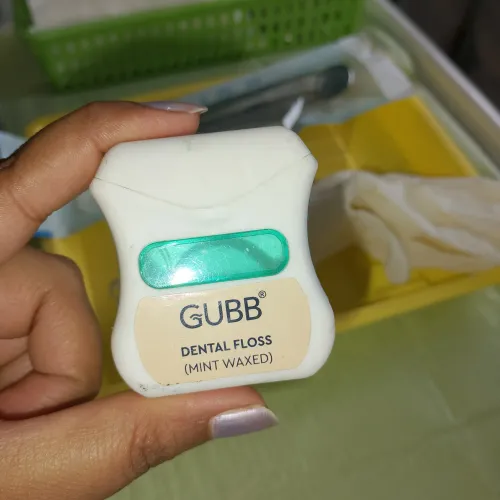
For some people, it can also be an easier and more convenient option than conventional string floss.
However, a water flosser is not a replacement for professional dental check-ups or a substitute for every form of interdental cleaning. The right method depends on your teeth, gums, and existing dental treatment.
Why Is Water Flossing Important?
1. Helps Clean Between Teeth
The spaces between teeth can trap food particles and plaque. A toothbrush cannot effectively reach all of these areas.
Using an appropriate interdental-cleaning method can help keep these spaces cleaner and support better overall oral hygiene.
2. Supports Healthy Gums
Plaque accumulating around the gumline can contribute to gum irritation and inflammation. Regular interdental cleaning helps remove plaque from areas that brushing may miss.
A water flosser can be particularly useful for people who find conventional flossing difficult or uncomfortable.
3. Useful During Orthodontic Treatment
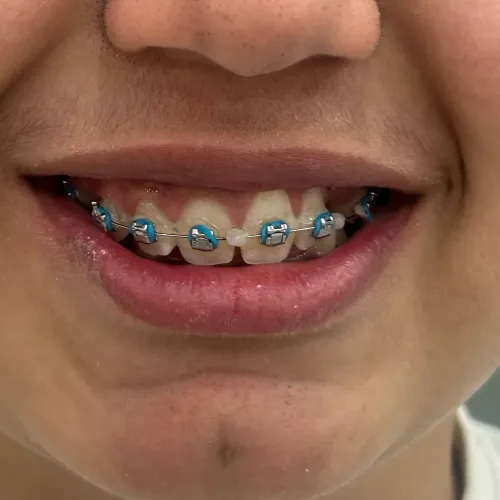
Braces can make daily cleaning more challenging. Food can become trapped around brackets and wires, creating additional areas that require careful attention.
A water flosser can help clean around orthodontic appliances and may be a convenient addition to an orthodontic patient's oral-care routine.
4. Helpful Around Dental Restorations
Dental bridges, implants, crowns, and other restorations can create areas where food debris may accumulate.
Depending on the type of dental work you have, your dentist may recommend a particular interdental-cleaning technique. A water flosser may be one of the options worth considering.
5. Convenient for Daily Use
Some people find traditional floss difficult to manoeuvre between their teeth. A water flosser may feel easier to use and can make interdental cleaning a more manageable part of the daily routine.
The most important factor is consistency—your chosen cleaning method should be one you can use correctly and regularly.
Water Flosser vs Traditional Floss: Which Is Better?
There is no single answer for everyone.
Traditional dental floss can be highly effective when used correctly, particularly for cleaning tight spaces between teeth. Water flossers provide another option for interdental cleaning and may be especially convenient for certain patients.
Your dentist can assess your gums, tooth spacing, dental restorations, and orthodontic requirements before suggesting the most appropriate method.
The goal is not simply to use a water flosser—it is to clean effectively between your teeth and maintain a healthy mouth.
How to Use a Water Flosser
If your dentist recommends a water flosser, use it according to the manufacturer's instructions.
Generally, you can:
1. Fill the reservoir with clean water.
2. Start with a comfortable pressure setting.
3. Lean over the sink.
4. Position the tip near the gumline.
5. Direct the water between your teeth.
6. Move gradually from one area to another.
7. Pay attention to areas where food commonly gets trapped.
8. Clean and maintain the device as recommended by the manufacturer.
If you experience persistent pain, swelling, or unusual bleeding while cleaning, consult your dentist.
Who May Benefit from a Water Flosser?
A water flosser may be worth discussing with your dentist if you:
- Have braces or orthodontic appliances
- Have dental bridges or implants
- Frequently get food stuck between your teeth
- Find conventional floss difficult to use
- Want additional help cleaning around your gumline
- Are looking for a convenient interdental-cleaning routine
However, not everyone needs the same oral-care products. A professional dental assessment can help determine what is appropriate for you.
Is a Water Flosser Enough for Complete Oral Care?
No. A water flosser should be considered part of a broader oral-hygiene routine.
For everyday dental care, it is important to:
- Brush twice a day with fluoride toothpaste.
- Clean between your teeth regularly.
- Maintain regular dental check-ups.
- Follow your dentist's recommendations for braces, implants, bridges, or other dental treatments.
- Address persistent gum bleeding, swelling, sensitivity, or tooth pain rather than ignoring these symptoms.
Choosing the right oral-care technique can sometimes be confusing, especially if you have braces, dental restorations, sensitive gums, or other specific dental concerns.
For personalised guidance on water flossing and maintaining better oral hygiene, consult Dr. Ruchi Saxena and Dr. Nandini Shukla at Align & Smile Dental Care, Sector 18, Noida.
What Is a Water Flosser?
A water flosser is an oral-care device that uses a controlled stream of pulsating water to clean between teeth and along the gumline. It can help flush away food debris and plaque from areas that are difficult to access with a toothbrush.
For some people, it can also be an easier and more convenient option than conventional string floss.
However, a water flosser is not a replacement for professional dental check-ups or a substitute for every form of interdental cleaning. The right method depends on your teeth, gums, and existing dental treatment.
Why Is Water Flossing Important?
1. Helps Clean Between Teeth
The spaces between teeth can trap food particles and plaque. A toothbrush cannot effectively reach all of these areas.
Using an appropriate interdental-cleaning method can help keep these spaces cleaner and support better overall oral hygiene.
2. Supports Healthy Gums
Plaque accumulating around the gumline can contribute to gum irritation and inflammation. Regular interdental cleaning helps remove plaque from areas that brushing may miss.
A water flosser can be particularly useful for people who find conventional flossing difficult or uncomfortable.
3. Useful During Orthodontic Treatment
Braces can make daily cleaning more challenging. Food can become trapped around brackets and wires, creating additional areas that require careful attention.
A water flosser can help clean around orthodontic appliances and may be a convenient addition to an orthodontic patient's oral-care routine.
4. Helpful Around Dental Restorations
Dental bridges, implants, crowns, and other restorations can create areas where food debris may accumulate.
Depending on the type of dental work you have, your dentist may recommend a particular interdental-cleaning technique. A water flosser may be one of the options worth considering.
5. Convenient for Daily Use
Some people find traditional floss difficult to manoeuvre between their teeth. A water flosser may feel easier to use and can make interdental cleaning a more manageable part of the daily routine.
The most important factor is consistency—your chosen cleaning method should be one you can use correctly and regularly.
Water Flosser vs Traditional Floss: Which Is Better?
There is no single answer for everyone.
Traditional dental floss can be highly effective when used correctly, particularly for cleaning tight spaces between teeth. Water flossers provide another option for interdental cleaning and may be especially convenient for certain patients.
Your dentist can assess your gums, tooth spacing, dental restorations, and orthodontic requirements before suggesting the most appropriate method.
The goal is not simply to use a water flosser—it is to clean effectively between your teeth and maintain a healthy mouth.
How to Use a Water Flosser
If your dentist recommends a water flosser, use it according to the manufacturer's instructions.
Generally, you can:
1. Fill the reservoir with clean water.
2. Start with a comfortable pressure setting.
3. Lean over the sink.
4. Position the tip near the gumline.
5. Direct the water between your teeth.
6. Move gradually from one area to another.
7. Pay attention to areas where food commonly gets trapped.
8. Clean and maintain the device as recommended by the manufacturer.
If you experience persistent pain, swelling, or unusual bleeding while cleaning, consult your dentist.
Who May Benefit from a Water Flosser?
A water flosser may be worth discussing with your dentist if you:
- Have braces or orthodontic appliances
- Have dental bridges or implants
- Frequently get food stuck between your teeth
- Find conventional floss difficult to use
- Want additional help cleaning around your gumline
- Are looking for a convenient interdental-cleaning routine
However, not everyone needs the same oral-care products. A professional dental assessment can help determine what is appropriate for you.
Is a Water Flosser Enough for Complete Oral Care?
No. A water flosser should be considered part of a broader oral-hygiene routine.
For everyday dental care, it is important to:
- Brush twice a day with fluoride toothpaste.
- Clean between your teeth regularly.
- Maintain regular dental check-ups.
- Follow your dentist's recommendations for braces, implants, bridges, or other dental treatments.
- Address persistent gum bleeding, swelling, sensitivity, or tooth pain rather than ignoring these symptoms.
Choosing the right oral-care technique can sometimes be confusing, especially if you have braces, dental restorations, sensitive gums, or other specific dental concerns.
For personalised guidance on water flossing and maintaining better oral hygiene, consult Dr. Ruchi Saxena and Dr. Nandini Shukla at Align & Smile Dental Care, Sector 18, Noida.
Keywords