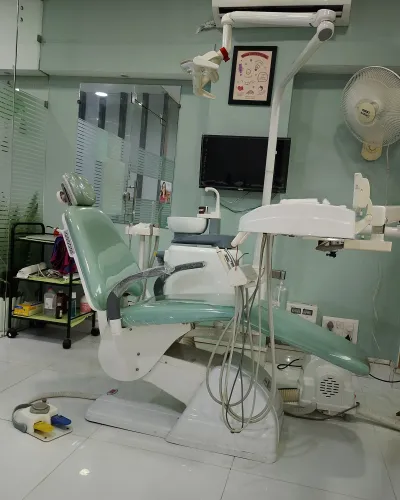
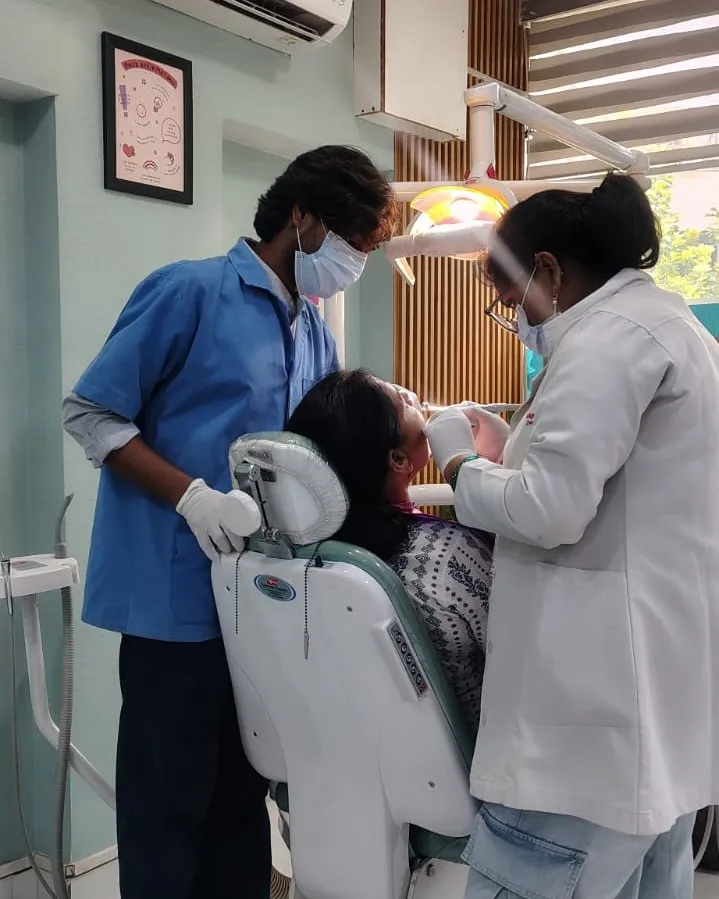
At our dental clinic, Align & Smile Dental Care, Sector 18, Noida, it is an important part of protecting your oral health. With timely dental check-ups and the right preventive care, many many dental problems can be detected and treated before they become a bigger problem.
What Is Tooth Decay?
Tooth decay is the gradual damage of a tooth caused by acids produced by bacteria in dental plaque.
Over time, the damage may progress from the outer enamel into the dentin and eventually reach the tooth's pulp.
What Causes Cavities?
- Frequent consumption of sugary foods and drinks
- Sticky snacks that remain on the teeth for longer periods
- Inadequate brushing or cleaning between teeth
- Plaque accumulation around the gumline
- Poor oral hygiene habits
- Dry mouth or reduced saliva flow
- Existing dental restorations where plaque can accumulate
- Irregular dental check-ups
It is not simply the amount of sugar you consume that matters. How frequently your teeth are exposed to it throughout the day also plays an important role.
Early Signs of Tooth Decay
Possible warning signs include:
Tooth sensitivity: You may experience a sharp sensation when having something cold, hot, sweet, or acidic.
White or brown spots: Changes in the appearance of the enamel can sometimes indicate early mineral loss or decay.
A visible hole or pit: As decay progresses, a cavity may become easier to see or feel with the tongue.
Food getting stuck: Repeatedly getting food trapped in a particular area may indicate a cavity or another dental problem.
Toothpain: Persistent or recurring pain can be a sign that decay has progressed deeper into the tooth.
Pain while biting: Discomfort when chewing should be evaluated rather than ignored.
Why Does Tooth Decay Sometimes Hurt Suddenly?
One of the common misconceptions about cavities is that they always cause gradual pain. In reality, decay can progress silently for some time.
When the damaged area gets closer to the tooth's pulp, the nerve may become irritated. This can result in increasing sensitivity or pain. If bacteria eventually reach the pulp, the tooth may develop a serious infection.
In some cases, a person may experience severe pain seemingly "out of nowhere," even though the decay had been developing for months.
The appropriate treatment depends on how far the decay has progressed. A dental examination helps determine whether preventive care, a filling, root canal treatment, or another procedure is required.
How Is Tooth Decay Treated?
Treatment is based on the condition of the affected tooth.
Dental Filling
Root Canal Treatment
Dental Crown
The earlier a cavity is detected, the greater the opportunity to preserve natural tooth structure.
How Can You Prevent Tooth Decay?
Preventing cavities is a combination of daily habits and professional dental care.
Brush Twice a Day
Clean Between Your Teeth
Reduce Frequent Sugar Exposure
Drink Water
Don't Ignore Sensitivity or Pain
Schedule Regular Dental Check-Ups
When Should You Visit a Dentist?
- Persistent tooth sensitivity
- A visible dark spot or hole
- Toothache or throbbing pain
- Pain while chewing
- Swelling around a tooth or gum
- Frequent food trapping in one area
- Bad taste or persistent unpleasant breath associated with a particular tooth
If you have severe tooth pain, facial swelling, fever, or difficulty swallowing, seek prompt dental care.
Protect Your Smile Before a Small Cavity Becomes a Big Problem
Tooth decay is common, but it does not have to be allowed to progress. Early diagnosis can often mean simpler treatment, less discomfort, and better preservation of your natural tooth.
At Align & Smile Dental Care in Sector 18, Noida, our focus is on helping patients understand their dental condition and choose appropriate treatment based on their individual needs.
If you have sensitivity, a suspected cavity, or simply haven't had a dental check-up recently, a professional examination can help you understand the condition of your teeth and take action at the right time.
Your natural teeth are worth protecting—don't wait for a cavity to start hurting before you have it checked.
Visit Align & Smile Dental Care, Sector 18, Noida.
What Is Tooth Decay?
Tooth decay is the gradual damage of a tooth caused by acids produced by bacteria in dental plaque.
Over time, the damage may progress from the outer enamel into the dentin and eventually reach the tooth's pulp.
What Causes Cavities?
- Frequent consumption of sugary foods and drinks
- Sticky snacks that remain on the teeth for longer periods
- Inadequate brushing or cleaning between teeth
- Plaque accumulation around the gumline
- Poor oral hygiene habits
- Dry mouth or reduced saliva flow
- Existing dental restorations where plaque can accumulate
- Irregular dental check-ups
It is not simply the amount of sugar you consume that matters. How frequently your teeth are exposed to it throughout the day also plays an important role.
Early Signs of Tooth Decay
Possible warning signs include:
Tooth sensitivity: You may experience a sharp sensation when having something cold, hot, sweet, or acidic.
White or brown spots: Changes in the appearance of the enamel can sometimes indicate early mineral loss or decay.
A visible hole or pit: As decay progresses, a cavity may become easier to see or feel with the tongue.
Food getting stuck: Repeatedly getting food trapped in a particular area may indicate a cavity or another dental problem.
Toothpain: Persistent or recurring pain can be a sign that decay has progressed deeper into the tooth.
Pain while biting: Discomfort when chewing should be evaluated rather than ignored.
Why Does Tooth Decay Sometimes Hurt Suddenly?
One of the common misconceptions about cavities is that they always cause gradual pain. In reality, decay can progress silently for some time.
When the damaged area gets closer to the tooth's pulp, the nerve may become irritated. This can result in increasing sensitivity or pain. If bacteria eventually reach the pulp, the tooth may develop a serious infection.
In some cases, a person may experience severe pain seemingly "out of nowhere," even though the decay had been developing for months.
The appropriate treatment depends on how far the decay has progressed. A dental examination helps determine whether preventive care, a filling, root canal treatment, or another procedure is required.
How Is Tooth Decay Treated?
Treatment is based on the condition of the affected tooth.
Dental Filling
Root Canal Treatment
Dental Crown
The earlier a cavity is detected, the greater the opportunity to preserve natural tooth structure.
How Can You Prevent Tooth Decay?
Preventing cavities is a combination of daily habits and professional dental care.
Brush Twice a Day
Clean Between Your Teeth
Reduce Frequent Sugar Exposure
Drink Water
Don't Ignore Sensitivity or Pain
Schedule Regular Dental Check-Ups
When Should You Visit a Dentist?
- Persistent tooth sensitivity
- A visible dark spot or hole
- Toothache or throbbing pain
- Pain while chewing
- Swelling around a tooth or gum
- Frequent food trapping in one area
- Bad taste or persistent unpleasant breath associated with a particular tooth
If you have severe tooth pain, facial swelling, fever, or difficulty swallowing, seek prompt dental care.
Protect Your Smile Before a Small Cavity Becomes a Big Problem
Tooth decay is common, but it does not have to be allowed to progress. Early diagnosis can often mean simpler treatment, less discomfort, and better preservation of your natural tooth.
At Align & Smile Dental Care in Sector 18, Noida, our focus is on helping patients understand their dental condition and choose appropriate treatment based on their individual needs.
If you have sensitivity, a suspected cavity, or simply haven't had a dental check-up recently, a professional examination can help you understand the condition of your teeth and take action at the right time.
Your natural teeth are worth protecting—don't wait for a cavity to start hurting before you have it checked.
Visit Align & Smile Dental Care, Sector 18, Noida.
Keywords