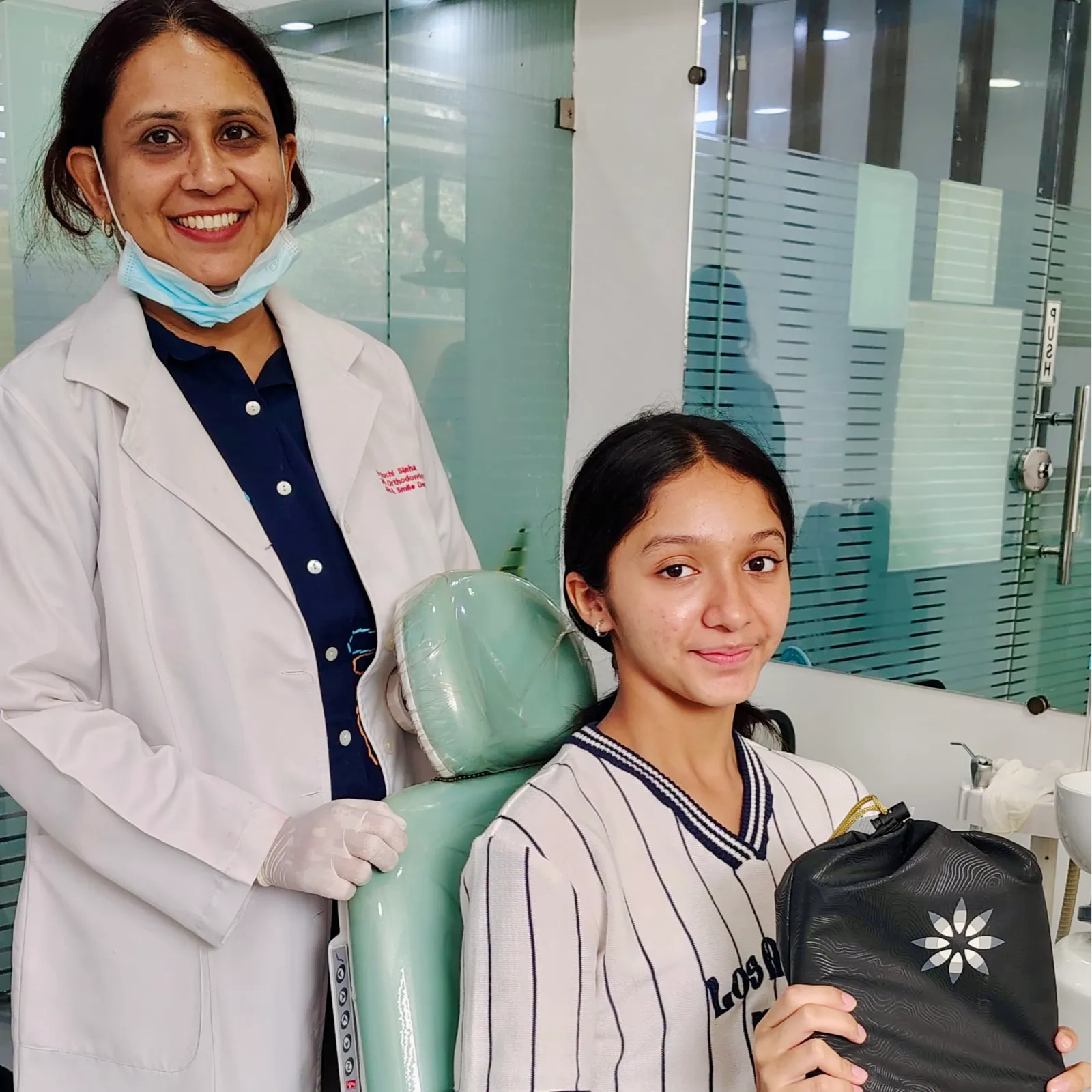
By Dr. Ruchi Saxena, Orthodontist
Align & Smile Dental Care, Sector 18, Noida
When patients visit my clinic, one of the first questions they ask is:
“Will Invisalign hurt less than braces?”
It’s an important question because orthodontic treatment is a journey that lasts several months, and comfort influences how confidently patients continue their treatment.
The honest answer is this:
Neither braces nor Invisalign is completely pain-free because both move teeth through controlled biological processes. However, most patients describe Invisalign as significantly more comfortable than traditional braces—not because it moves teeth differently, but because it delivers force differently and eliminates many of the causes of discomfort associated with fixed braces.
As an orthodontist, I have treated teenagers, working professionals, and adults with both braces and Invisalign. While every smile is unique, the pattern is remarkably consistent—patients wearing Invisalign usually report fewer sore spots, less interference with daily life, and a smoother overall experience.
Orthodontic Treatment Should Feel Like Pressure—Not Pain
Many people assume that teeth move because orthodontists apply strong force.
In reality, healthy tooth movement depends on light, continuous, biologically controlled pressure.
Inside the jawbone, every tooth is suspended by a specialised tissue called the periodontal ligament. When gentle force is applied, the body naturally remodels the surrounding bone, allowing teeth to shift safely into their planned positions.
If the force is excessive, movement becomes less efficient and discomfort increases.
This biological principle is one of the reasons Invisalign is designed to move teeth in small, carefully programmed stages instead of making large changes all at once.
Why Braces Can Feel More Uncomfortable
Braces are highly effective and remain an excellent treatment option for many patients. However, the design of fixed braces introduces sources of discomfort that are unrelated to tooth movement itself.
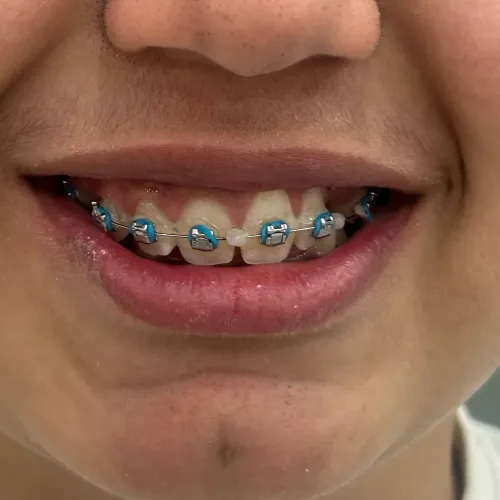
Metal brackets project from the tooth surface, and wires are secured into these brackets. As your cheeks, lips, and tongue move throughout the day, these soft tissues repeatedly rub against the appliance.
During the first few weeks, this friction often causes irritation or mouth ulcers until the tissues adapt.
Another common source of discomfort occurs during adjustment appointments. When orthodontic wires are changed or activated, several teeth may receive new forces simultaneously, resulting in temporary soreness.
The discomfort is usually manageable, but many patients notice it for a few days after each visit.
Why Invisalign Feels Different
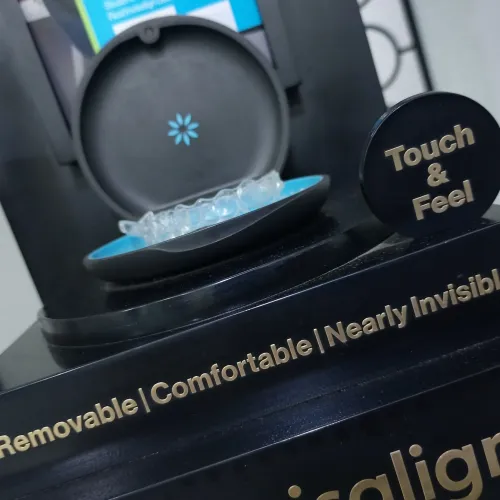
Invisalign aligners are custom-manufactured from smooth, transparent material that fits closely over the teeth.
Instead of relying on brackets and wires, every aligner is digitally engineered to move selected teeth by a very small amount before the next aligner continues the process.
Patients often describe the sensation as tightness or gentle pressure rather than pain.
This difference matters because there are no metal components repeatedly rubbing against the inside of the mouth.
Most people adjust to each new aligner within one or two days.
Digital Planning Makes Every Movement Intentional
One of the greatest advantages of Invisalign is that treatment begins long before the first aligner is worn.
Using advanced digital treatment planning, every stage of tooth movement is mapped before manufacturing begins.
Rather than making broad adjustments during treatment, each aligner is designed to perform a specific set of planned movements.
This precision allows orthodontists to distribute forces carefully throughout treatment.
For patients, this often translates into a smoother experience with fewer unexpected pressure changes.
Daily Life Changes Very Little
One reason many adults prefer Invisalign is that it integrates naturally into everyday routines.
The aligners are removed while eating, allowing patients to continue enjoying foods such as apples, nuts, popcorn, or crusty bread without worrying about damaging brackets.
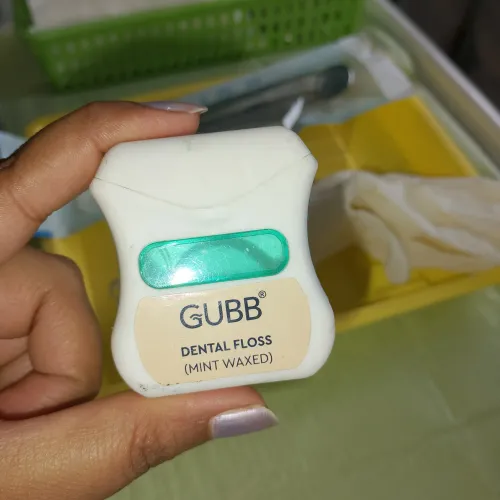
Brushing and flossing remain almost identical to normal oral hygiene because there are no wires trapping food around the teeth.
For professionals who frequently attend meetings or interact with clients, the ability to remove aligners briefly for important occasions is another practical advantage.
Comfort Is More Than Physical
When discussing orthodontic treatment, comfort isn’t only about soreness.
Many patients feel self-conscious about visible braces.
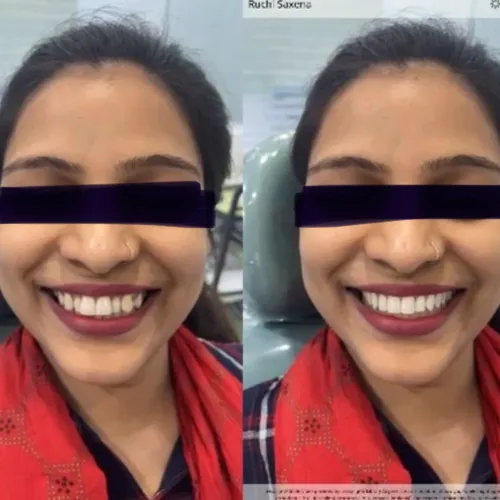
Invisalign aligners are clear and discreet, allowing most people to smile confidently throughout treatment.
For adults beginning orthodontics later in life, this psychological comfort can be just as valuable as physical comfort.
Patients often tell me that friends or colleagues didn’t even realise they were undergoing orthodontic treatment.
Does Invisalign
Align & Smile Dental Care, Sector 18, Noida
When patients visit my clinic, one of the first questions they ask is:
“Will Invisalign hurt less than braces?”
It’s an important question because orthodontic treatment is a journey that lasts several months, and comfort influences how confidently patients continue their treatment.
The honest answer is this:
Neither braces nor Invisalign is completely pain-free because both move teeth through controlled biological processes. However, most patients describe Invisalign as significantly more comfortable than traditional braces—not because it moves teeth differently, but because it delivers force differently and eliminates many of the causes of discomfort associated with fixed braces.
As an orthodontist, I have treated teenagers, working professionals, and adults with both braces and Invisalign. While every smile is unique, the pattern is remarkably consistent—patients wearing Invisalign usually report fewer sore spots, less interference with daily life, and a smoother overall experience.
Orthodontic Treatment Should Feel Like Pressure—Not Pain
Many people assume that teeth move because orthodontists apply strong force.
In reality, healthy tooth movement depends on light, continuous, biologically controlled pressure.
Inside the jawbone, every tooth is suspended by a specialised tissue called the periodontal ligament. When gentle force is applied, the body naturally remodels the surrounding bone, allowing teeth to shift safely into their planned positions.
If the force is excessive, movement becomes less efficient and discomfort increases.
This biological principle is one of the reasons Invisalign is designed to move teeth in small, carefully programmed stages instead of making large changes all at once.
Why Braces Can Feel More Uncomfortable
Braces are highly effective and remain an excellent treatment option for many patients. However, the design of fixed braces introduces sources of discomfort that are unrelated to tooth movement itself.
Metal brackets project from the tooth surface, and wires are secured into these brackets. As your cheeks, lips, and tongue move throughout the day, these soft tissues repeatedly rub against the appliance.
During the first few weeks, this friction often causes irritation or mouth ulcers until the tissues adapt.
Another common source of discomfort occurs during adjustment appointments. When orthodontic wires are changed or activated, several teeth may receive new forces simultaneously, resulting in temporary soreness.
The discomfort is usually manageable, but many patients notice it for a few days after each visit.
Why Invisalign Feels Different
Invisalign aligners are custom-manufactured from smooth, transparent material that fits closely over the teeth.
Instead of relying on brackets and wires, every aligner is digitally engineered to move selected teeth by a very small amount before the next aligner continues the process.
Patients often describe the sensation as tightness or gentle pressure rather than pain.
This difference matters because there are no metal components repeatedly rubbing against the inside of the mouth.
Most people adjust to each new aligner within one or two days.
Digital Planning Makes Every Movement Intentional
One of the greatest advantages of Invisalign is that treatment begins long before the first aligner is worn.
Using advanced digital treatment planning, every stage of tooth movement is mapped before manufacturing begins.
Rather than making broad adjustments during treatment, each aligner is designed to perform a specific set of planned movements.
This precision allows orthodontists to distribute forces carefully throughout treatment.
For patients, this often translates into a smoother experience with fewer unexpected pressure changes.
Daily Life Changes Very Little
One reason many adults prefer Invisalign is that it integrates naturally into everyday routines.
The aligners are removed while eating, allowing patients to continue enjoying foods such as apples, nuts, popcorn, or crusty bread without worrying about damaging brackets.
Brushing and flossing remain almost identical to normal oral hygiene because there are no wires trapping food around the teeth.
For professionals who frequently attend meetings or interact with clients, the ability to remove aligners briefly for important occasions is another practical advantage.
Comfort Is More Than Physical
When discussing orthodontic treatment, comfort isn’t only about soreness.
Many patients feel self-conscious about visible braces.
Invisalign aligners are clear and discreet, allowing most people to smile confidently throughout treatment.
For adults beginning orthodontics later in life, this psychological comfort can be just as valuable as physical comfort.
Patients often tell me that friends or colleagues didn’t even realise they were undergoing orthodontic treatment.
Does Invisalign
Keywords